
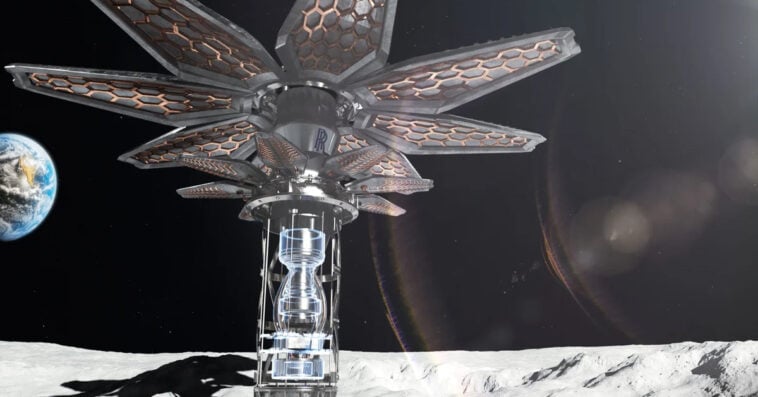
Rolls-Royce has unexpectedly hit the brakes on its ambitious plan to send a nuclear reactor to the moon, leaving questions about the future of Britain’s space ambitions. Once hailed as a groundbreaking step toward powering permanent lunar outposts, the taxpayer-backed project now sits in limbo after government contracts expired and potential launch partners failed to materialize. With the U.S. racing ahead on its own lunar nuclear program, the pause raises stakes and sparks debate: what went wrong, and could the U.K.’s space nuclear dreams still be revived?
What led to the halt of Britain’s lunar nuclear project
Rolls-Royce, the cornerstone of U.K. engineering, has officially suspended its ambitious project to install a miniature nuclear reactor on the moon. Despite receiving £9 million ($12.4 million) in backing from the U.K. Space Agency to pioneer a lunar power source, the project’s momentum evaporated following the expiration of government contracts last summer. Despite this, the company is reportedly ready to resume operations for a 2029 launch. However, the lack of international launch partners has left the micro-reactor grounded.
The timing of this pause is particularly sharp, as the lunar landscape increasingly becomes a focal point for the so-called “American Space Superiority.” With the U.S. administration aggressively pushing for a domestic nuclear presence on the moon, the competitive field is narrowing for international players. This shift has created a significant gap between the initial vision and the current situation. While the project was designed as a revolutionary 100kW micro-reactor capable of sustaining human life through the grueling 14-day lunar night, it has transitioned into a frontier science initiative currently stalled by red tape and a lack of collaborative infrastructure.
Once touted by ministers as a job-creating engine that would secure Britain’s role in the next great age of exploration, the project now serves as a cautionary tale of how quickly ambitious technological goals can be eclipsed by shifting budgets and protectionist space policies. While the dream of a U.K.-powered lunar colony remains technically feasible, it now sits in a state of limbo as global priorities shift toward exclusive domestic interests.
NASA’s ‘Americans only’ policy shuts out global lunar partners
Last month, NASA confirmed a timeline to deploy a nuclear fission module to the lunar surface by 2030, a project with a staggering price tag of $3 billion. This reactor is designed to be the lifeblood of a future U.S. lunar base, yet the opportunity to build it is being kept behind closed doors. Despite the global nature of space exploration, bidding is expected to be restricted to American firms, such as Lockheed Martin and the Amazon-backed X-energy, both of which have already completed preliminary feasibility studies for the agency.
This exclusion is a significant blow to international innovators like Rolls-Royce. While its primary lunar project remains in limbo, Rolls-Royce is still keeping a foot in the door through its U.S.-based division, LibertyWorks, which is collaborating with NASA on specialized power conversion technology for future space outposts.
Source: The Telegraph