
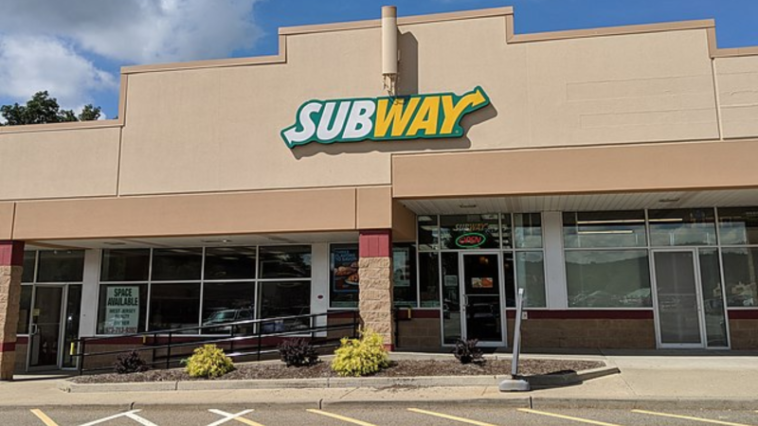
The sandwich chain that once promised the American dream is watching some of its own crumble under the weight of bad debt, and MTF Enterprises seems to be the latest example.
The operator, which runs 43 Subway locations across four states, filed for bankruptcy last month after merchant cash advance lenders closed in.
Court documents point to cash flow rather than sales as the breaking point, with MTF disclosing how “continued cash drain” from daily and weekly withdrawals tied to its financing agreements became unmanageable.
Merchant cash advances (MCAs) essentially provide businesses with a lump sum upfront in exchange for a fixed share of future revenue, but when sales dip or costs rise, those automatic withdrawals keep coming, whether the business can afford it or not.
One lender, Ocean Funding, went beyond the automatic withdrawals, though. It moved to seize MTF’s revenue at the source. According to the Chapter 11 bankruptcy filing, Ocean Funding improperly placed liens on sales revenue processed through Square, American Express, and Stripe.
The numbers behind the collapse
MTF lists about $500,000 owed to Ocean Funding and another $900,000 owed to WebBank, also tied to MCA financing. Altogether, the company reports between $1 million and $10 million in liabilities, against assets estimated between $500,000 and $1 million.
MTF operates stores in Pennsylvania, New Hampshire, Maine, and Virginia. The group was founded by Michael Fay, who bought his first Subway in Pennsylvania in 2017. Before becoming a franchise owner, Fay worked his way through the brand, starting as an hourly employee in high school and later managing stores during college.
The bankruptcy filing also swept up MTF Childcare, a separate business Fay operates across the Mid-Atlantic. The inclusion signals that the financial strain wasn’t confined to the restaurant side and that it had metastasized across his entire business portfolio.
The situation adds to a growing list of Subway franchisees struggling under debt-heavy structures. In June 2024, 48-unit operator River Sub also declared bankruptcy, citing market saturation, pandemic fallout, and the lingering impact of a wrongful death lawsuit.
Sources: PacerMonitor, QSR Magazine, Inforuptcy, Restaurant Business Online