
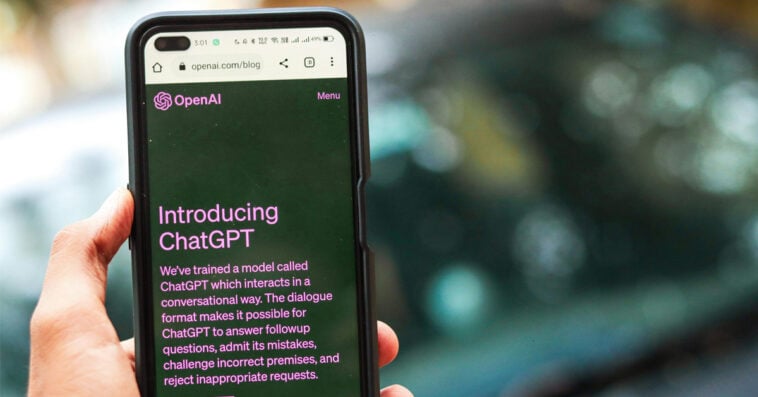
ChatGPT is getting a reality check. Once known for answering everything from legal loopholes to health scares, the AI chatbot is now staying silent on sensitive topics. OpenAI has introduced new restrictions aimed at curbing risky advice. But is this about protecting users, or protecting OpenAI itself?
Why ChatGPT won’t diagnose, counsel, or advise you anymore
As of October 29, ChatGPT’s role has undergone a major transformation: it will no longer offer tailored medical, legal, or financial advice. According to NEXTA, the chatbot is now classified as an “educational tool” rather than a “consultant.” The shift, as the outlet explains, comes because “regulations and liability fears squeezed it — Big Tech doesn’t want lawsuits on its plate.”
Instead of serving up personal recommendations, ChatGPT will now “only explain principles, outline general mechanisms and tell you to talk to a doctor, lawyer or financial professional.” The new guidelines, as detailed by NEXTA, draw a clear line in the sand: “no more naming medications or giving dosages… no lawsuit templates… no investment tips or buy/sell suggestions.” This policy overhaul directly addresses growing concerns about the risks of relying on AI for sensitive or specialized guidance.
The risks of relying on AI for health, legal, and financial advice
In the past, many users treated ChatGPT like a virtual doctor, typing in symptoms to “see what it says.” The results could be both fascinating and frightening — a harmless headache might be flagged as anything from caffeine withdrawal to a potential brain tumor. Someone might type, “I’ve been coughing for weeks,” and get a response hinting at pneumonia or lung cancer, only to find out later from their physician that it’s just seasonal allergies. These new restrictions are intended to prevent such unnecessary panic, emphasizing that AI can’t run lab tests, administer exams, or assume the legal responsibility of a licensed professional.
The shift isn’t limited to health advice either. Many have also turned to ChatGPT for emotional support, treating it like a late-night therapist. While the chatbot can offer mindfulness tips or suggest breathing exercises, it lacks human understanding and emotional intuition. It can’t recognize distress in your tone or offer empathy when you need it most. Real therapists work under strict ethical and legal guidelines to protect patients — something no algorithm can replicate. If you or someone you know is struggling, call 988 in the U.S. or reach your local crisis hotline for immediate help.
The same logic now applies to financial and legal topics. ChatGPT might still explain what a 401(k) is or define legal jargon, but it can’t assess your credit score, estimate your tax bracket, or ensure your will is legally valid. Relying on AI for such matters is like asking a search engine to handle your court case — the risk simply isn’t worth it.
There’s also the growing privacy concern. Sharing personal details such as your salary, bank account numbers, or even your medical history with a chatbot isn’t as harmless as it seems. That information could become part of its training data. Even something that feels routine — like asking ChatGPT to write a will or draft a rental agreement — could lead to legal trouble if key clauses are missing or laws differ by state. The bottom line: when it comes to your health, emotions, or finances, real expertise still needs a human touch.
Who gains from ChatGPT’s stricter rules?
The new ChatGPT guardrails benefit multiple groups. First, users gain added safety, reducing the risk of receiving misleading medical, legal, or financial advice that could have serious consequences. Second, OpenAI itself benefits by minimizing legal liability and regulatory scrutiny, protecting the company from potential lawsuits. Finally, professionals in medicine, law, and finance are indirectly supported, as AI can no longer encroach on roles that require expertise, judgment, and ethical accountability.
Source: International Business Times