
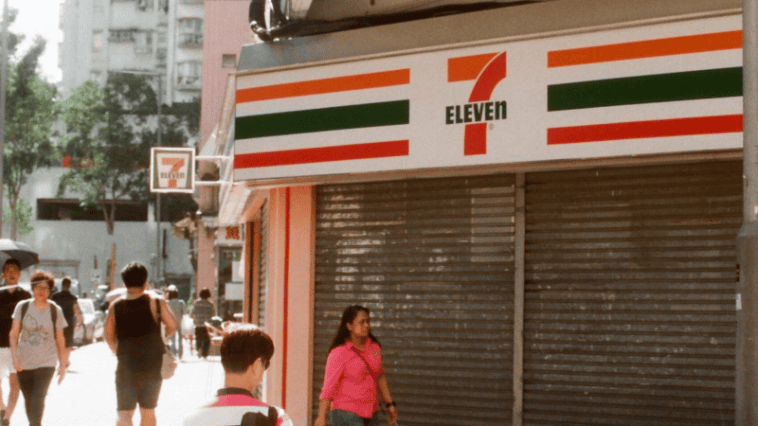
7-Eleven plans to close 645 convenience stores in North America during fiscal 2026, which runs from March 2026 through February 2027. Their parent company Seven & i Holdings disclosed the number of closings in its fourth-quarter earnings documents last week.
Not all of those are permanent shutdowns. Some locations are being converted to wholesale fuel stores. 7-Eleven doesn’t count wholesale sites in its store total, so they drop off the books either way.
The company also expects to open more than 200 North American locations in the same period. Still this is a massive net loss of more than 400 stores — and the fifth straight year of closing more than it opened. The chain has been shrinking its footprint steadily since 2022.
The wholesale conversion angle is new. It didn’t come up in recent earnings calls, and 7-Eleven didn’t answer questions about how many stores are being converted versus closed outright.
Its planned IPO, announced last week, got pushed back at least 11 months over market uncertainty. The company has been cutting costs for a while, through various productivity initiatives, bringing some maintenance in-house.
The Wholesale Pivot
While a net loss of 400 stores sounds like a major retreat, the real story is in the “wholesale conversion.” 7-Eleven is essentially taking some locations off the retail map and turning them into fuel hubs—a strategic move we’ve seen from Virginia-based Arko Corp recently.
Why it matters
Between the delayed IPO and the steady footprint shrinkage since 2022, 7-Eleven is clearly in “lean mode.” For the average fan of a Slurpee run, this might mean your local spot is about to become a lot more “industrial” and a lot less “convenience.”
Source: Cstoredive